Paint Protection Film (PPF)
What Is Paint Protection Film?
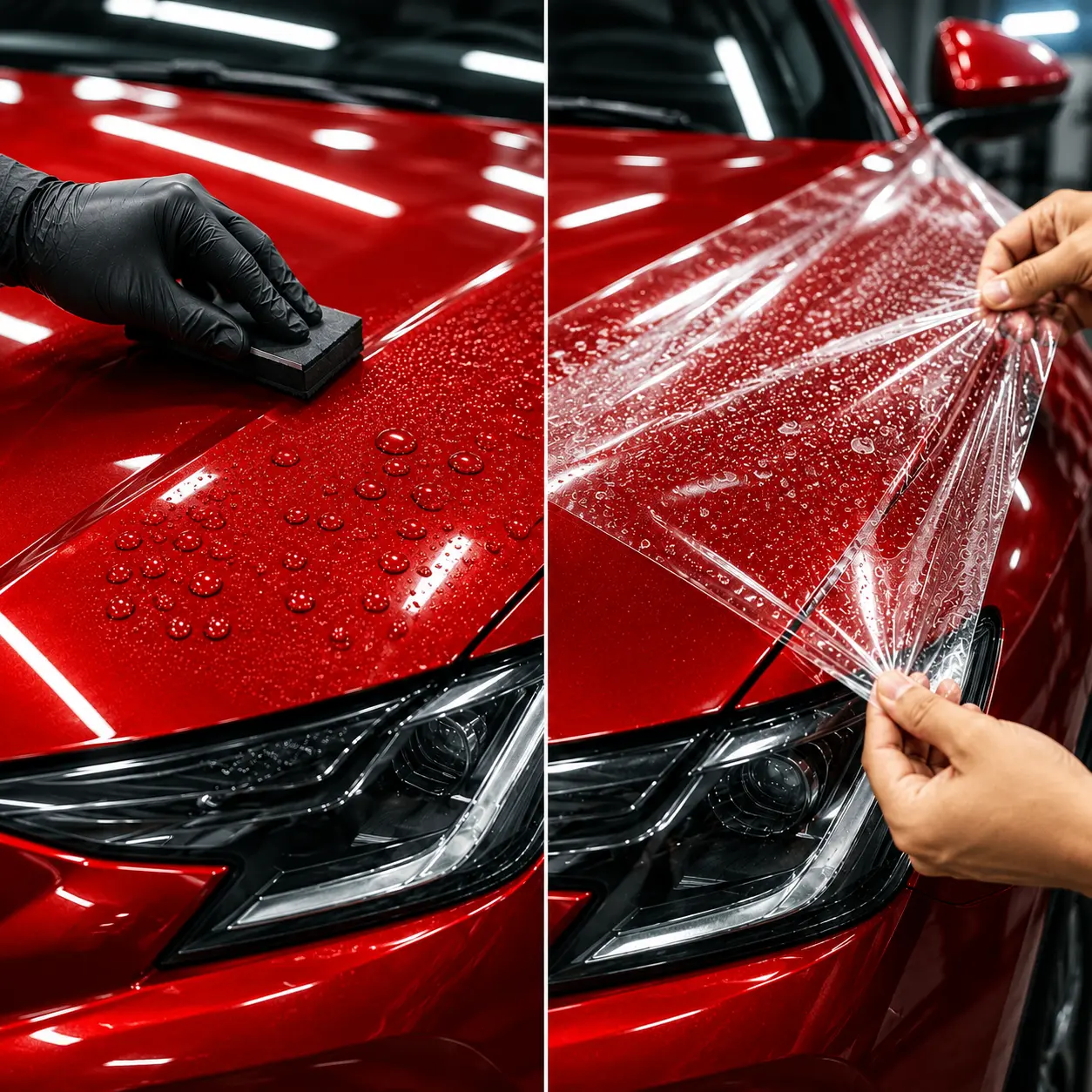
Paint Protection Film is a clear, durable film applied to a vehicle’s painted surfaces. It is designed to help reduce damage from common road hazards and everyday surface exposure.
PPF is different from a vinyl vehicle wrap. A wrap is primarily used to change a vehicle’s appearance, while paint protection film is designed mainly to protect the original paint.
Depending on the product selected, some PPF options also feature self-healing properties that can help minor surface marks disappear under suitable conditions.
Benefits of PPF for Your Car
Helps Protect Against Stone Chips
Small stones and road debris can chip your vehicle’s paint, particularly on the front bumper, hood and front fenders. PPF provides an additional layer of protection in these vulnerable areas.
Helps Reduce Minor Surface Damage
Paint protection film can help protect against certain light scratches, scuffs and everyday surface wear. It cannot prevent every type of damage, including deeper impacts and major scratches.
Preserves Your Vehicle’s Appearance
Keeping the original paint in better condition can help your vehicle maintain a well-cared-for appearance over time.
Maintains the Original Colour
Clear PPF is designed to protect the paint without significantly changing the vehicle’s original colour or finish when properly selected and installed.
Easier Routine Maintenance
Many PPF products are designed to make routine cleaning easier. Proper washing and care are still important for maintaining the film’s appearance and performance.
PPF Coverage Options
The right paint protection film coverage depends on how you use your vehicle and which areas need the most protection.
Front-End PPF
The front of a vehicle often receives the most exposure to stones and road debris. Front-end protection may cover selected areas such as the front bumper, hood and front fenders, depending on the package.
Partial Hood and Fender Protection
Partial coverage protects selected sections of the hood and fenders. This may suit drivers who want protection for specific areas.
Full-Body Paint Protection Film
Full-body coverage applies PPF to most or all suitable painted exterior panels. It provides broader coverage than a front-end package and may be suitable for drivers seeking more extensive paint protection.
High-Impact Area Protection
Selected areas, such as door edges, door cups and other vulnerable painted surfaces, may also be considered for additional protection.
Available coverage depends on the vehicle, film product and installation requirements.
Is PPF Worth It for Your Vehicle?
Paint protection film may be worth considering if you frequently drive on highways, travel on roads with loose gravel or want to help preserve your vehicle’s original paint.
It can also be useful for new vehicles and cars with freshly refinished paint, provided the paint is ready for film installation and the product manufacturer’s requirements are followed.
Before choosing a package, consider your driving habits, the condition of your paint, the areas you want to protect and your budget.
PPF vs. Ceramic Coating
Paint protection film and ceramic coating serve different purposes.
PPF is a physical film designed to help protect painted surfaces from stone chips and certain minor impacts. Ceramic coating is a surface coating that can improve water repellency and make routine cleaning easier.
Ceramic coating does not provide the same impact protection as PPF. Depending on your needs, you may choose one service or discuss whether combining them is suitable for your vehicle.
Our Paint Protection Film Process
1. Discuss Your Protection Needs
We begin by understanding your vehicle, driving habits and the areas you want to protect.
2. Inspect the Paintwork
The vehicle’s paint condition is reviewed to identify any existing damage or issues that may affect installation.
3. Prepare the Surface
Proper cleaning and preparation are important for film adhesion and a clean finish.
4. Install the Film
The selected film is applied to the agreed areas, with attention to alignment, edges and visible surfaces.
5. Review the Installation
The finished application should be checked, and you should follow the product-specific aftercare instructions to help the film settle and perform as intended.
The installation time depends on the vehicle, coverage level, film type and preparation required.
Why Consider TS Auto Collision for PPF in Mississauga?
At TS Auto Collision, we help customers explore vehicle appearance and paint-related services based on their individual needs.
Protection Options: Discuss coverage for the areas most exposed to road debris.
Vehicle-Specific Guidance: Consider your vehicle’s condition and intended use before choosing coverage.
Clear Communication: Understand the proposed work and preparation requirements.
Related Services: Ask about vehicle wraps, auto body repair and paint refinishing.
Contact us to discuss your paint protection needs and the options available for your vehicle.
Get Paint Protection Film in Mississauga
Want to help protect your car’s original paint from everyday road hazards? Contact TS Auto Collision to discuss PPF options and find out which coverage may suit your vehicle.
Phone: +1 647-324-9651
Get in touch to discuss your vehicle’s paint protection requirements.
Frequently Asked Questions
PPF stands for Paint Protection Film. It is a protective film applied to painted vehicle surfaces to help reduce damage from road debris and certain minor surface impacts.
Its lifespan depends on the film's quality, installation, environmental exposure, maintenance and manufacturer specifications. Follow the product's care instructions for the best results.
PPF can help reduce the risk of stone-chip damage, but it cannot prevent every chip or impact. The level of protection depends on the film and the force of the impact.
Yes, provided the paint surface is suitable for installation. Existing scratches, chips, peeling paint or previous repairs should be assessed before applying the film.
They serve different purposes. PPF offers physical protection against certain impacts, while ceramic coating primarily improves surface properties such as water repellency and ease of cleaning. The right option depends on your priorities.
Yes, paint protection film can generally be removed, but the process depends on the film's condition, age, installation and the condition of the paint underneath. Professional removal is advisable, particularly on repaired or repainted panels.
The Best Auto Detail You Can Ever Get Your Hands On
Protect your investment and keep your vehicle looking showroom-new. From advanced Paint Protection Film to professional detailing and repairs, we’ve got you covered.